
Substack Made Simple: A Practical Guide for Absolute Beginners
Everything you need to know to launch your newsletter in 2026

Introduction: Why Substack Exists
Most people don’t quit writing because they run out of ideas.
They quit because the tools get in the way.
You need a website. Then an email tool. Then landing pages. Then payment systems. Before you even write your first sentence, you’re already tired.
Substack removed all of that.
It gives you one place to write, publish, and build a direct relationship with readers—without worrying about tech, design, or growth hacks.
If you’ve ever thought, “I just want to write and see where it goes,” Substack was built for you.
What Is Substack?
Substack is a newsletter platform.
You write posts.
People subscribe.
Your writing lands directly in their inbox.
That’s the core of it.
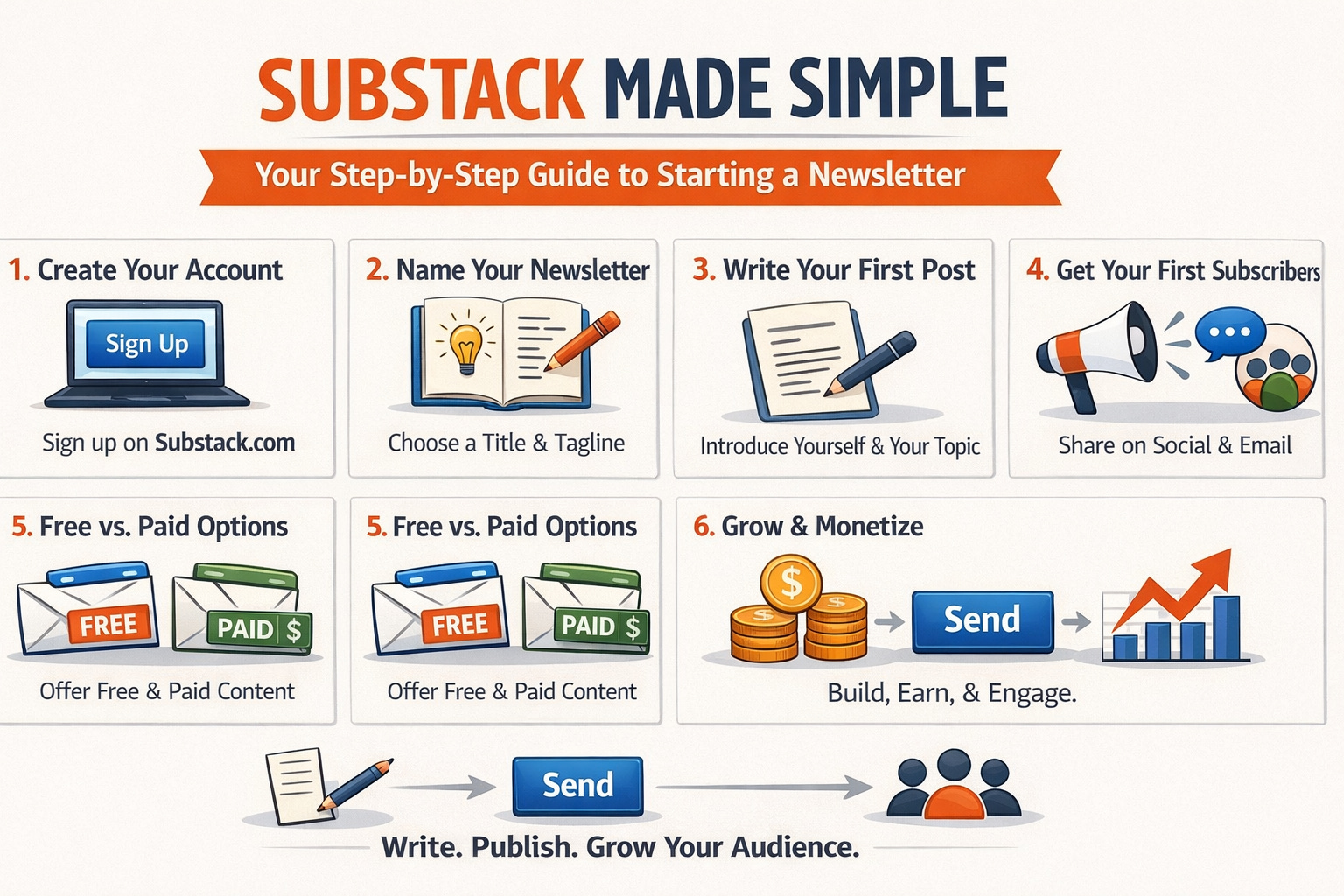
Each newsletter also has a public page, so your writing can be shared and discovered. But email is the heart of Substack. It’s personal. It’s direct. And it doesn’t depend on social media algorithms.
Think of Substack as:
A blog
An email list
A simple way to charge for your work
All combined into one clean system.
Who Should Use Substack (And Who Probably Shouldn’t)
Substack works best for people who:
Enjoy writing in longer form
Want to build trust over time
Prefer depth over quick attention
Like sharing ideas, stories, or lessons
You don’t need to be famous.
You don’t need a big audience.
You don’t need credentials.
You do need patience.
Substack may not be ideal if you:
Only want short viral posts
Hate writing more than a few sentences
Expect fast results without consistency
Substack rewards showing up, not shouting.
Setting Up Your First Substack
Getting started is simple.
Create Your Account
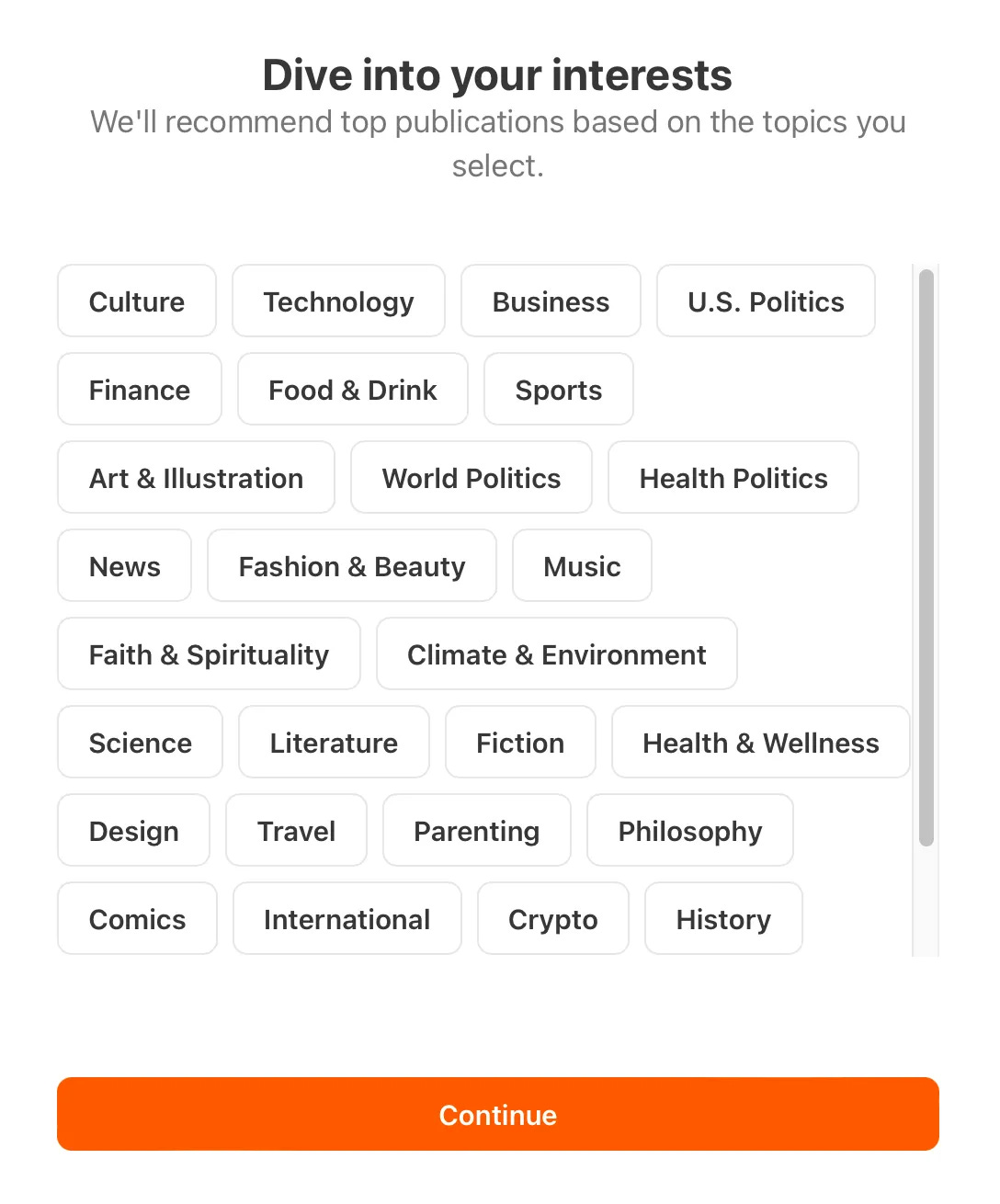
Go to Substack.com and sign up with an email or Google account. Pick topics you’re interested in — this helps Substack suggest content and communities you might want to engage with.
Build Your Profile
Your profile is how people see you — it should be warm, clear, and authentic:
Use a friendly headshot or logo.
Write a short bio about who you are and why you’re writing.
Make it clear what readers will get if they subscribe.
What’s the Difference Between Profile and Publication?
Your profile is you. Your publication is your content hub — the place where all your newsletters and posts live, with an About page, subscription options, navigation, and more. Substack lets you set both up separately so you can look professional and organized.
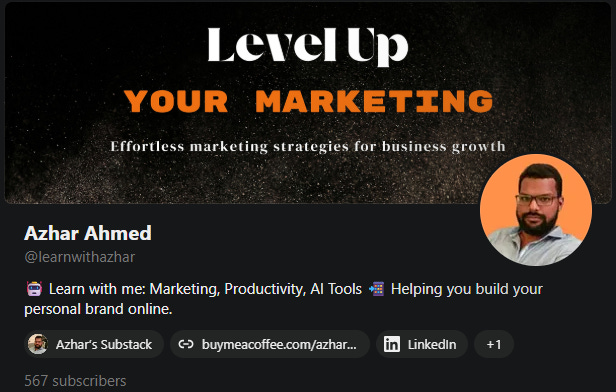
For reference, here’s what my profile looks like:
What Should You Write About?
This is where most beginners freeze.
They think they need a unique angle or expert-level knowledge.
You don’t.
A simple rule:
Write about what you’re learning, experiencing, or building right now.
Some proven directions:
Lessons from your work
Personal stories with clear takeaways
Breakdowns of ideas you’re studying
Weekly reflections
Honest opinions
You’re not teaching from the top of the mountain.
You’re sharing from the path.
That’s what readers connect with.
How Substack Actually Works
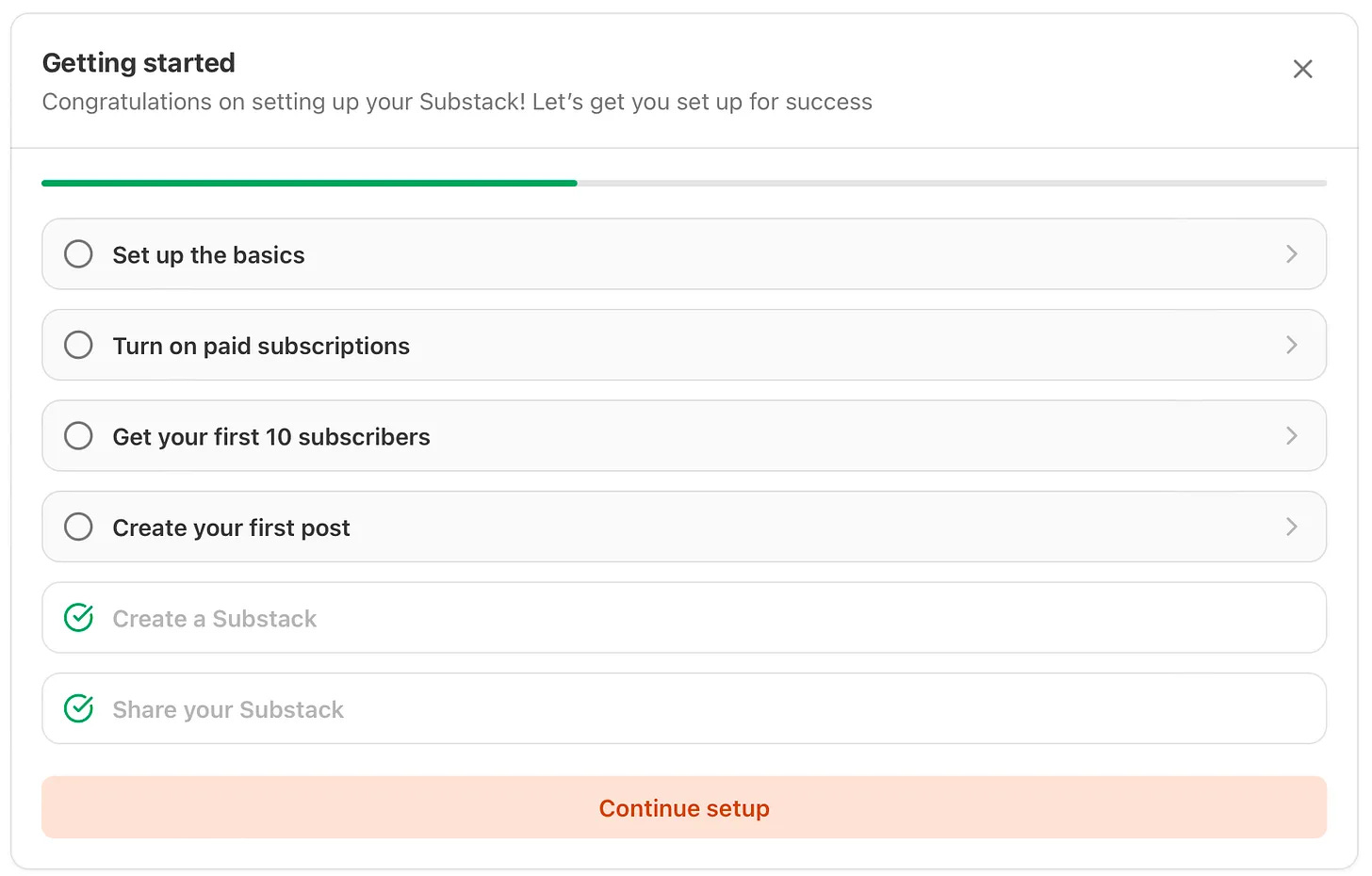
Once you create an account, everything happens in one place.
Writing
You open the editor and write, just like writing an email or a document. No plugins. No formatting stress.
Publishing
When you hit publish, Substack:
Emails your post to subscribers
Posts it on your public Substack page
You can choose whether a post is:
Free
Paid
Or partially free
Subscriptions
Readers can subscribe with one click. If you enable paid subscriptions, Substack handles payments for you.
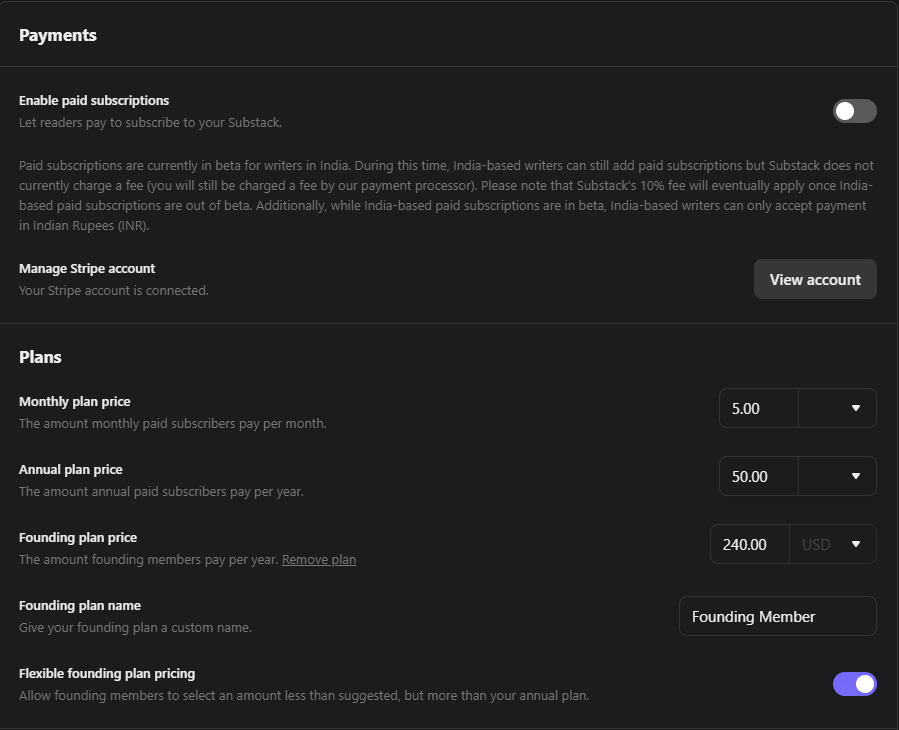
You focus on writing. Substack handles the rest.
Free vs Paid Newsletters
One of the biggest beginner questions is whether to charge or not.
Here’s the honest answer:
Start free.
Free writing helps you:
Build confidence
Find your voice
Earn trust
Learn what readers care about
Later, you can add paid content.
A simple structure that works well:
Free weekly posts
Paid deeper essays, guides, or personal insights
You don’t need to lock everything behind a paywall. Readers pay when they feel connected, not pressured.
Finding Your Voice
You don’t need to have all the answers. Start with what you know now: lessons, stories, experiments, ideas you’re thinking through.
Here are content ideas that work:
Personal lessons and stories.
Tips and practical guides.
Weekly reflections.
Case studies or breakdowns.
Interviews or conversations with others.
Keep a simple structure — short paragraphs and clear takeaways — so people skim easily and still get value.
Understanding Substack Features Beyond Long Posts
Substack isn’t just long emails:
Notes
Short, casual posts that don’t go out via email but show up in feeds — great for quick ideas and interaction.
Discover how WriteStack will help you make the best out of Notes

Chat
A live commenting space where you can engage directly with your most active readers — like texting back and forth.

Together, Notes and Chat help you stay active and build community without always writing full newsletters.
How Often Should You Publish?
Consistency is more important than frequency.
A realistic schedule for beginners is:
1 long newsletter per week, plus
Several Notes during the week.
This keeps your audience engaged without burning you out.
How to Get Your First Readers
Substack doesn’t automatically give you an audience. Here are practical ways to start building your list:
Share Outside Substack
You bring readers from places where you already spend time:
Twitter (X)
LinkedIn
Threads
Your existing email list
Share ideas from your posts, not links all the time.

Invite Your Network
Email friends, colleagues, and anyone you think would genuinely benefit.
Collaborations
Recommend other writers and ask them to recommend you — Substack’s built-in recommendations system works like an internal referral loop.
Growth on Substack is slow—but it’s real.
Common Beginner Mistakes
Many people quit too early because of avoidable mistakes.
Watch out for:
Waiting for the perfect topic
Writing like a textbook
Checking subscriber numbers too often
Trying to monetize too soon
Your early posts are practice.
No one expects mastery on day one.
Making Money on Substack
You can make money on Substack, but most creators do it after they build trust and audience first.
Here are key ways to monetize:
Paid Subscriptions
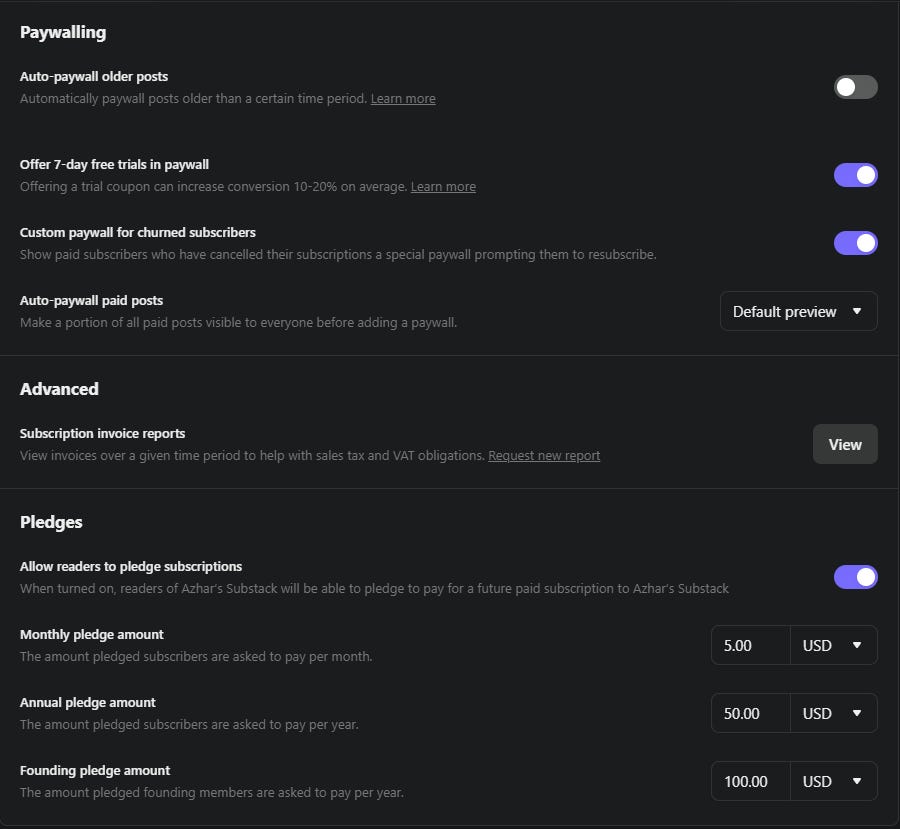
Charge a monthly or annual fee for exclusive content behind a paywall. You keep most of what you earn (Substack takes its share only on paid signups)
Affiliate Links
Recommend tools or products you genuinely use, and earn a small commission
Here’s an example:
Sponsorships
Once your free audience grows, brands may pay to reach your readers — even small newsletters can attract sponsors.
Digital Products or Services
Sell ebooks, guides, workshops, consulting, coaching — anything your audience values.
Thinking about starting your first digital product side hustle and want to do it the right way?!
Digital Products Blueprint is your complete blueprint to launch a profitable digital product - even if you have no technical skills, no audience, and no clue where to start!
LIMITED TIME: Launch Your Digital Product Empire - 75% OFF Ends Soon!
You don’t need thousands of subscribers.
A small group of engaged readers is enough to get started.
Substack favors depth, not volume.
Staying Consistent Without Burning Out
Consistency doesn’t mean daily publishing.
It means choosing a pace you can maintain.
Once a week is enough.
Even once every two weeks works.
The goal is sustainability.
Readers respect honesty more than frequency.

Final Thoughts — Is Substack Worth It?
If you want a real platform for your ideas — one that belongs to you and not to an algorithm — Substack is one of the best options available today.
Start small. Be consistent. Write in your voice. You’ll be surprised how quickly people start connecting with your work.
And remember — the journey is the work. The writing itself is your most powerful tool.
I’ll keep sharing everything I learn about writing and building on Substack.
If you’d like to support the work, you can buy me a coffee ☕
Best quick and simple guide on Substack that I have read. Thank you so much.